
Is Cryotherapy Safe for Athletes? What to Know
A hard leg day can leave an athlete feeling like every stair has a personal grudge. When the next practice, game, lift, or shift is already on the calendar, recovery needs to be effective and efficient. So, is cryotherapy safe for athletes? For most healthy athletes who are screened properly and follow session guidelines, whole-body or local cryotherapy can be a safe recovery-support option. It is not a shortcut around sleep, nutrition, smart programming, or medical care - but it can be a powerful part of a consistent recovery routine.
At Kori Kryotherapy, recovery is built around helping active people in Murrieta and the Inland Valley feel ready for what is next. That starts with using the right modality at the right time and knowing when cold exposure is not the right call.
Is Cryotherapy Safe for Athletes During Training?
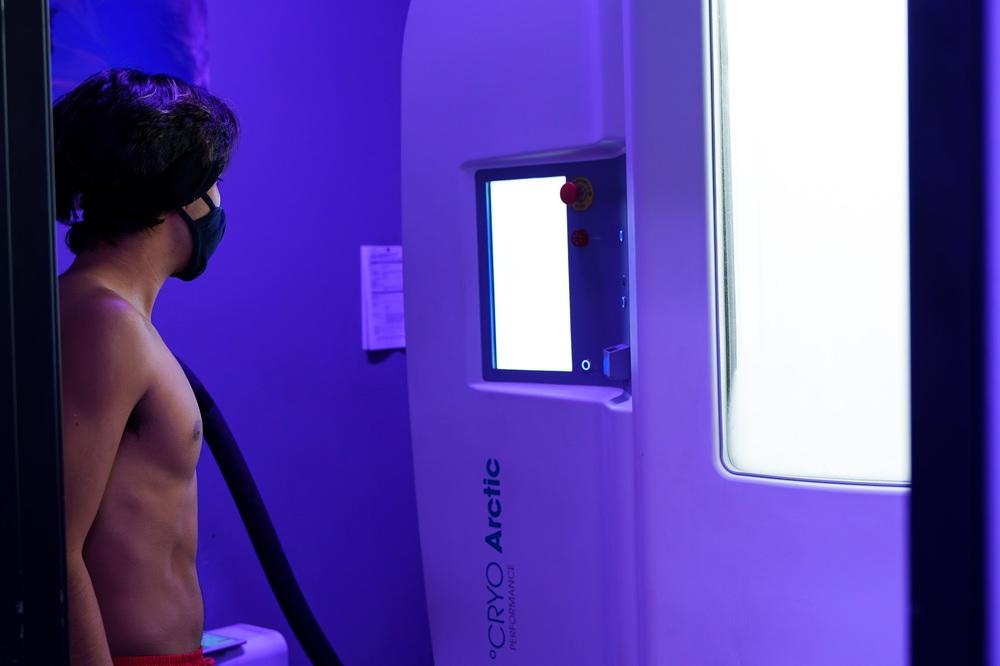
Cryotherapy exposes the body, or a targeted area, to very cold temperatures for a brief, controlled period. Whole-body sessions generally last only a few minutes. Local cryotherapy directs cold air to a specific area, such as a shoulder, knee, quad, or calf.
For a healthy adult athlete, the answer is usually yes when the session is delivered by trained staff, the athlete follows instructions, and contraindications are taken seriously. The short duration matters. This is not the same as sitting in an ice bath for an open-ended amount of time or applying ice directly to bare skin at home.
Athletes often choose cryotherapy after demanding training blocks, long runs, tournament weekends, travel, or competitions because they want help managing the feeling of soreness and fatigue. Some people also find the intense cold leaves them feeling alert, refreshed, and mentally reset.
That said, “safe” does not mean “right for every person, every day, and every goal.” Cold exposure is a recovery tool. Like compression, percussion massage, mobility work, and heat therapy, it should fit the athlete’s body, training demands, and health history.
What Cryotherapy May Help Athletes Feel
The most practical benefit is often how an athlete feels after a session. Brief cold exposure may help support comfort after strenuous exercise and can be useful when muscles feel heavy after repeated high-output work. Local cryotherapy can be especially appealing when one area is taking the brunt of training, such as a pitcher’s throwing shoulder or a runner’s overworked calves.
Cryotherapy can also support a recovery ritual. That matters more than it sounds. An athlete who makes time to recover is more likely to notice changes in soreness, mobility, sleep, and energy before a small issue becomes a bigger interruption.
Still, athletes should be careful with oversized promises. Cryotherapy does not repair a torn muscle, erase an overuse injury, or replace an evaluation for sharp pain, instability, swelling, numbness, or loss of strength. Feeling better is valuable, but it should never be used as permission to push through a problem that needs professional attention.
Timing matters for performance goals
If your priority is feeling fresher for a game, a race, or another demanding workout, cryotherapy may fit well after an intense effort or during a congested competition schedule. A football player in the middle of a multi-game weekend and a busy professional training before an evening workout may have different schedules, but both may value quick, structured recovery support.
If your primary goal is maximizing long-term muscle size or strength adaptations, the timing deserves more thought. Inflammation is not always the enemy. It is part of the body’s normal response to training. Frequent, aggressive cold exposure immediately after every resistance workout may not be the best strategy for athletes focused on building muscle and strength over time.
This does not mean athletes need to avoid cryotherapy completely. It means use it with intent. Save it for exceptionally demanding sessions, competition periods, high-volume weeks, or times when managing soreness and readiness matters most. Your coach, trainer, or healthcare professional can help align recovery choices with your program.
Who Should Skip Cryotherapy or Get Clearance First?
A good cryotherapy experience starts before the cold begins. A qualified wellness center should ask about health history, explain the process, and make it easy to speak up about concerns.
Athletes should avoid cryotherapy or receive clearance from their physician first if they have conditions that affect circulation, sensation, blood pressure, or cold tolerance. This is particularly important for people with:
- Uncontrolled high blood pressure, significant heart disease, or a history of serious cardiovascular concerns
- Raynaud’s phenomenon, cold urticaria, severe cold sensitivity, or conditions worsened by cold exposure
- Poor circulation, peripheral vascular disease, neuropathy, or reduced ability to feel temperature changes
- An open wound, active skin infection, a recent surgery, or an acute injury that has not been medically assessed
- Pregnancy or any medical condition for which their physician has advised avoiding extreme cold
This is not a complete medical screening list, and it is not a diagnosis tool. Medications can also affect blood pressure, circulation, or cold response. When in doubt, get medical guidance before booking.
Athletes should also postpone a session if they are ill, dehydrated, dizzy, unusually fatigued, or have consumed alcohol. Cold exposure is not the time to test how tough you are. The best results come from a calm, prepared session where the body can respond normally.
Safe Cryotherapy Habits for Youth Athletes
Young athletes are often highly motivated to recover faster, especially when they are chasing playing time, preparing for showcases, or training year-round. That drive is real, but it needs adult guidance. A youth athlete should not make recovery decisions based on social media clips or a teammate’s routine.
Parents and guardians should confirm age requirements with the center, disclose relevant health history, and make sure the athlete understands the process. A young athlete should be able to communicate clearly if they feel uncomfortable, lightheaded, numb, or unwell.
For youth athletes, the foundation is still straightforward: enough sleep, adequate calories, hydration, rest days, sound coaching, and prompt attention to pain. Cryotherapy can be a supportive add-on, not a substitute for those basics. If a young athlete has persistent pain or a suspected injury, start with a qualified medical professional rather than trying to cold-treat the issue away.
How to Use Cryotherapy Responsibly
Athletes do not need an elaborate recovery protocol to use cryotherapy well. They need consistency, self-awareness, and an honest look at what their body is telling them.
Arrive hydrated and in the condition the center requests, typically with clean, dry skin and appropriate protective gear. Remove jewelry or metal items as directed, since metal can become extremely cold. Tell the technician about any discomfort, new diagnosis, medication change, or injury before the session starts.
During the session, keep moving as instructed and communicate. You may feel intense cold, tingling, or a strong urge to get out during the first moments. You should not ignore pain, dizziness, difficulty breathing, or unusual symptoms. A trained team can stop a session immediately if needed.
Afterward, pay attention to how you respond over the next few hours. Do you feel looser and more comfortable? Do you feel energized? Or do you notice prolonged numbness, skin changes, or discomfort? The goal is to learn what works for your body, not copy someone else’s recovery stack.
Pair cold with the recovery work that counts
Cryotherapy is most useful when it supports the habits that create durable performance. Follow a session with water, a balanced meal, light movement, and a realistic sleep plan. If you are dealing with stubborn tightness or heavy legs, modalities such as Normatec compression, percussion massage, stretch therapy, or hot/cold plunge therapy may fit into a broader plan based on your needs.
The athlete who recovers best is rarely the one who does the most treatments. It is the one who uses the right tools consistently, trains with purpose, and addresses warning signs early.
The Bottom Line for Active Bodies
Cryotherapy can be safe for athletes when it is professionally supervised, used within appropriate guidelines, and matched to the athlete’s health status and goals. It can help support post-training comfort and readiness, particularly when life and training leave little room for a long recovery day.
Listen to your body, respect the screening process, and treat recovery as part of performance - not an afterthought. The next time your training load starts to pile up, choose the recovery approach that helps you come back prepared, not merely pushed through.