A stubborn area can be frustrating when you are already training, eating with intention, and doing the work. So, is body contouring worth it? For the right person with realistic expectations, non-invasive body contouring can be a worthwhile addition to a consistent wellness routine. It is not a shortcut to major weight loss, but it may help refine areas that do not respond the way you want them to.
The value comes down to your goal, your starting point, and whether you are willing to support treatment with healthy habits. If you want a surgical transformation or a dramatic change on the scale, body contouring may not be the best fit. If you are looking for a convenient, non-surgical way to support a more toned appearance or target small, persistent pockets of fat, it can make sense.
What Non-Invasive Body Contouring Is Designed to Do
Non-invasive body contouring uses technology to support aesthetic changes without surgery, anesthesia, or extended downtime. Depending on the treatment, it may use controlled cold, heat, muscle stimulation, or other approaches to address unwanted fat, skin appearance, or muscle tone.
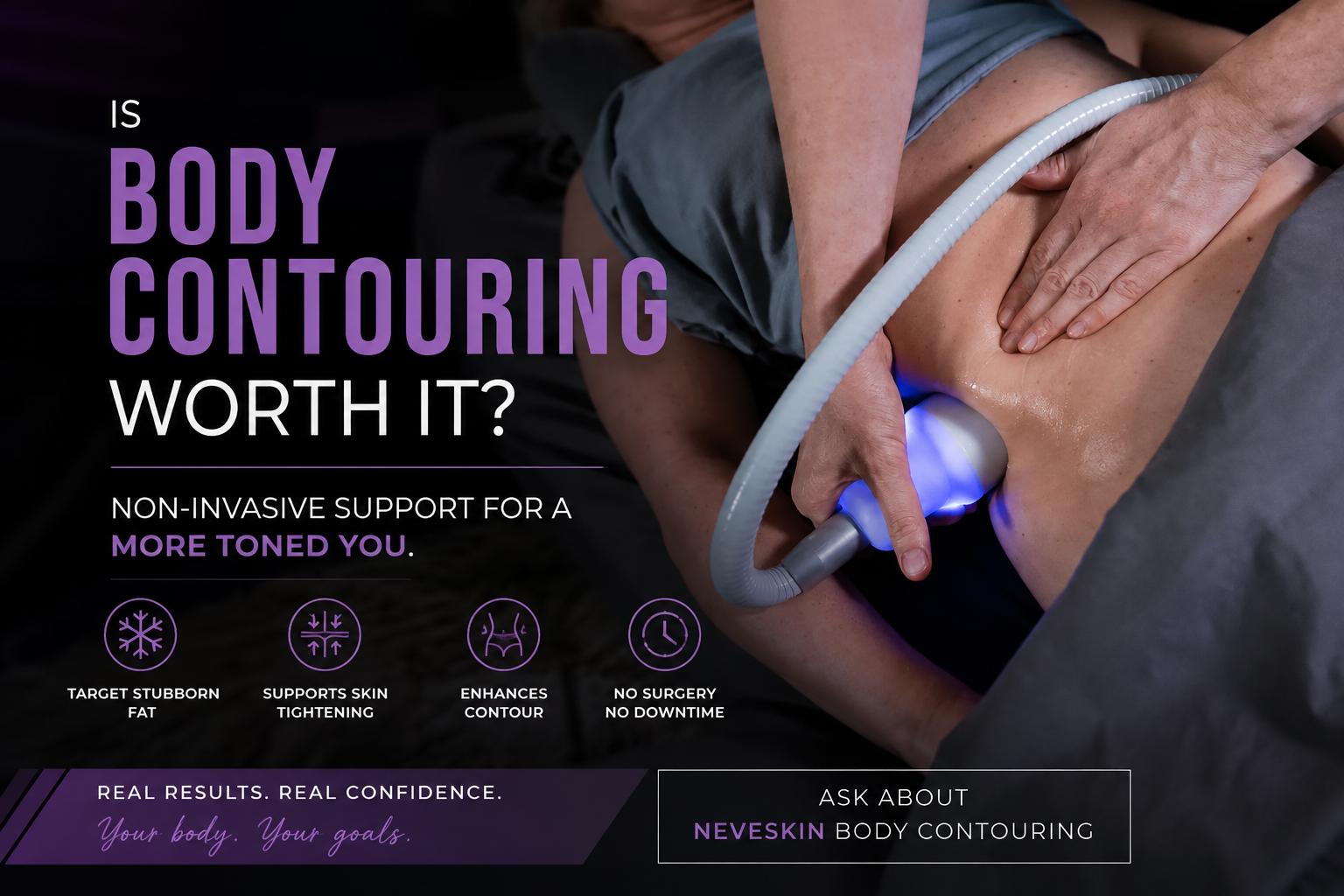
At Kori Kryotherapy, Cryoskin, also known as Neveskin body contouring, uses a controlled thermal approach designed to support fat-loss and toning goals. Sessions are appointment-based and built for real schedules. That matters for active professionals, parents, gym-goers, and athletes who want to prioritize body maintenance without putting life on pause.
It helps to separate body contouring from weight-loss treatment. The goal is usually not to replace a nutrition plan, strength training program, or medical weight-management care. Instead, it is about helping you feel more confident in areas that may have been resistant to your existing effort, such as the abdomen, thighs, arms, or sides.
Is Body Contouring Worth It? Start With the Right Goal
The people who tend to feel best about body contouring are not chasing perfection. They have a specific, realistic goal. Maybe they want their midsection to look a little more defined after building a strong workout routine. Maybe they want extra support after weight loss, a demanding season at work, or a stretch of inconsistent sleep and stress.
Body contouring may be worth it when you want gradual refinement rather than an overnight overhaul. Results can take time to develop, and individual response varies. Your body, lifestyle, treatment area, hydration, and follow-through all play a role.
It may be less worthwhile if your main goal is to lose a significant amount of weight quickly. A body contouring session cannot outwork a lifestyle that is pulling in the opposite direction. It also cannot promise the same level of change as liposuction or other surgical procedures. Those options involve different benefits, risks, costs, recovery requirements, and decisions that should be made with a qualified medical professional.
The most useful question is not, “Will this change everything?” Ask, “Would a non-invasive, gradual improvement in this area make me feel more confident and motivated?” If the answer is yes, contouring may be a smart fit.
The Benefits That Make It Valuable
For many clients, convenience is a major part of the return on investment. Non-invasive sessions are generally designed to fit into a busy week, without the long recovery period associated with surgery. You can make time for a treatment while still showing up for work, training, family, and the rest of your routine.
There is also value in working toward aesthetic goals in a setting that supports the bigger picture of wellness. When you feel good in your body, you may be more likely to stay consistent with the habits that help you perform and recover. That does not mean your confidence should depend on a treatment. It means investing in yourself can reinforce momentum you have already earned.
For active adults, body contouring can pair naturally with a body-maintenance mindset. You train to build strength. You use recovery services to help manage soreness and support mobility. You may choose contouring because you want your appearance to better reflect the work you are putting in. Each service has a different role, but all can fit under the same goal: recover, rejuvenate, and revitalize.
What Results Should You Realistically Expect?
Expect subtle-to-noticeable changes, not a completely different body after one appointment. Some people notice early changes in how an area feels or looks, while visible contour changes often develop over time. A provider may recommend a treatment series based on the area and your goals.
Photos, measurements, and how clothing fits can be more useful than checking the scale. Because contouring is not primarily a weight-loss service, scale weight may not tell the full story. Consistent photos taken in similar lighting and clothing can give you a clearer view of gradual progress.
Your provider should be direct about what treatment can and cannot do. A quality consultation is not about selling you a one-size-fits-all package. It is about evaluating your goals, discussing treatment areas, explaining the expected timeline, and helping you decide whether the investment aligns with what you want.
The Habits That Can Improve Your Experience
Body contouring works best as part of a larger routine, not as a standalone rescue plan. Hydration, regular movement, balanced meals, quality sleep, and stress management can all support how you feel throughout the process. They also make it easier to maintain any progress you see.
You do not need an extreme fitness plan to be a good candidate. A realistic routine you can sustain is more valuable than a short burst of intensity. Walking regularly, strength training a few days per week, eating enough protein and fiber, and drinking water consistently are practical foundations.
If you are an athlete or fitness enthusiast, resist the urge to treat contouring as another performance metric. Your body does not need to look a certain way to be capable, strong, or disciplined. Use the service as a confidence-focused complement to your training, not a reason to judge every detail of your physique.
When You Should Pause and Ask More Questions
Before booking, disclose your health history, medications, recent procedures, and any concerns to your provider. Certain health conditions, pregnancy, skin issues in the treatment area, or sensitivity to cold or heat may affect whether a treatment is appropriate. If you have a medical condition or are unsure, speak with your physician first.
You should also ask about the full investment. Find out how many sessions may be recommended, how far apart they should be scheduled, what the total expected cost is, and what aftercare or lifestyle guidance is suggested. “Worth it” is personal. A treatment can be effective and still not be the right choice if the schedule or cost does not fit your priorities.
Be wary of anyone who guarantees a specific inch loss, promises permanent results regardless of lifestyle, or pressures you to commit before answering your questions. You deserve clear expectations and a plan that respects your body and budget.
Making a Confident Decision
Non-invasive body contouring is most rewarding when it supports a goal you already care about: feeling stronger in your skin, refining an area that has been frustrating you, or maintaining momentum in a healthy routine. It is a tool, not a test of your discipline and not a replacement for comprehensive health care.
A consultation at a trusted local wellness center can help you move from curiosity to clarity. Bring your questions, be honest about the change you want, and choose a plan that feels sustainable. The best next step is the one that leaves you feeling informed, energized, and ready to keep showing up for yourself.