That heavy-legged feeling on the stairs after a long run is not always a sign that you need to stop training. More often, it is a signal that your recovery routine needs the same attention as your mileage. The best recovery methods for runners are not about doing every wellness trend available. They are about using the right tools at the right time so your body can adapt, rebuild, and show up ready for the next run.
For runners in Murrieta and across the Inland Valley, recovery also has to fit real life. You may be balancing early miles, a demanding job, family commitments, strength training, or a youth athlete’s packed practice schedule. A practical plan makes consistency possible.
Best Recovery Methods for Runners Start With the Basics
Recovery begins long before a cold plunge or compression session. Your body needs the raw materials and downtime to repair the stress created by training. Skip those basics, and even the most advanced recovery service becomes a smaller piece of the puzzle.
Sleep is your highest-return recovery tool
Running challenges muscles, tendons, bones, and the nervous system. Much of the repair work happens while you sleep. A single short night will not ruin a training block, but frequent poor sleep can make soreness feel heavier, motivation lower, and hard efforts harder to repeat.
Aim for a consistent sleep and wake schedule whenever possible. Create a wind-down routine after evening runs, especially if you are wired from a tough workout. A cool, dark room, less screen time before bed, and a meal that supports recovery can make a meaningful difference. If your race calendar is packed, protecting sleep is often more valuable than adding another workout.
Refuel before soreness gets ahead of you
After longer runs, speed sessions, hill workouts, or races, replenish carbohydrates and include protein within the next few hours. Carbohydrates restore the energy your muscles used. Protein provides amino acids that support muscle repair. Hydration matters too, particularly during warm Southern California training days when sweat losses add up quickly.
You do not need a perfect recovery shake after every easy 30-minute run. But a harder session deserves a plan. Think of a balanced meal or snack with carbohydrates, protein, fluids, and electrolytes when you have been sweating heavily. This is especially important for teen runners, who need enough energy to support both training and growth.
Easy movement beats total stillness
After a demanding run, the instinct may be to collapse on the couch for the rest of the day. Rest is useful, but gentle movement can reduce that locked-up feeling. A walk, easy spin, light mobility work, or a short recovery jog can help you feel less stiff without adding meaningful training stress.
The key word is easy. Recovery movement should leave you feeling better, not turn into another workout you feel obligated to complete.
Use Cold Therapy Strategically, Not Automatically
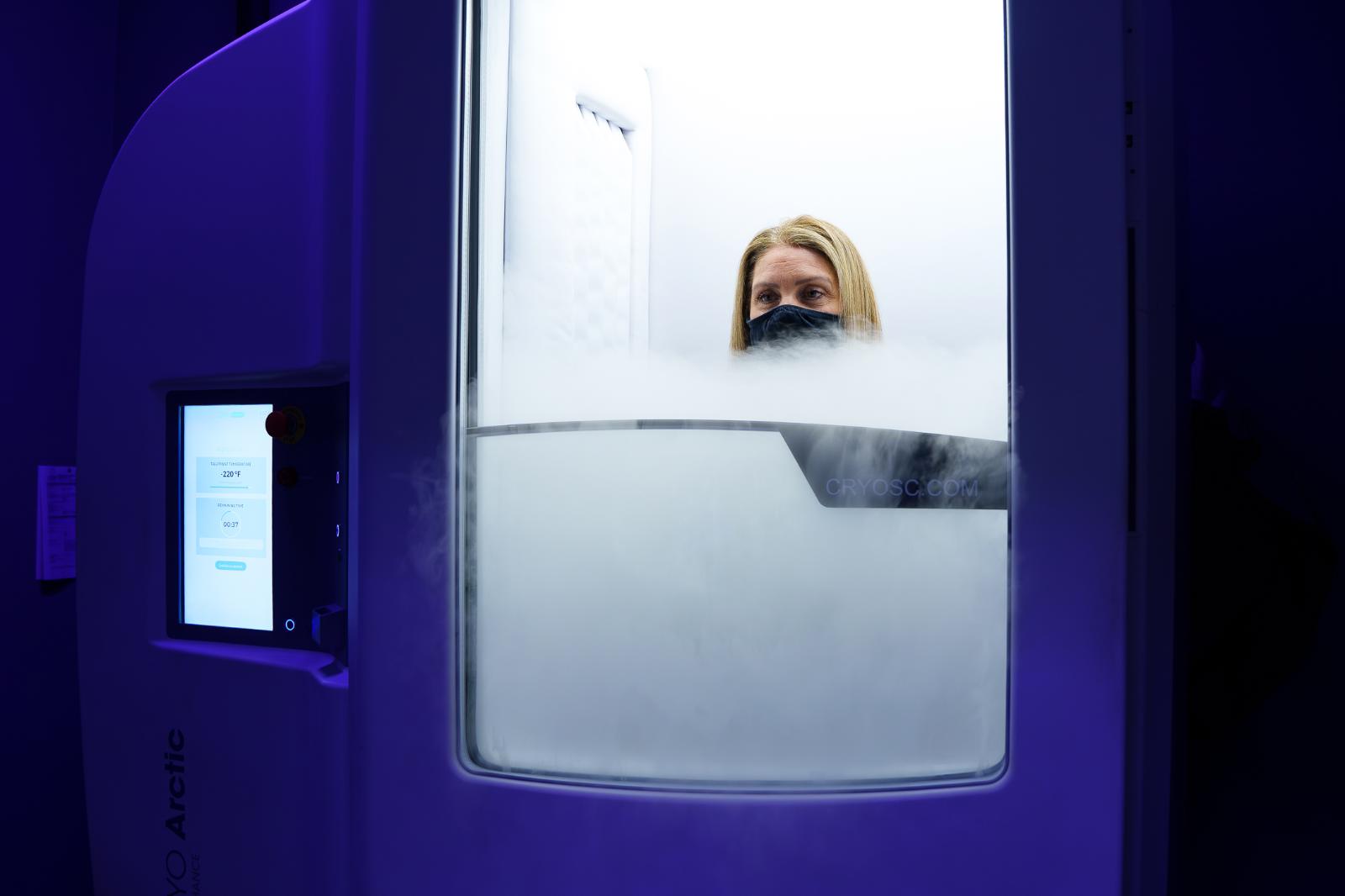
Cold exposure is popular for good reason: it can feel incredibly refreshing after hard efforts and may help manage the perception of soreness. Whole-body cryotherapy, local cryotherapy, and cold plunges are options runners may use when their legs feel beaten up after a race, a high-volume week, or a demanding strength session.
The trade-off is timing. If your primary goal is to build muscle or maximize training adaptations from every strength workout, frequent intense cold exposure immediately afterward may not always be the best fit. For many runners, cold therapy is most useful when rapid relief and readiness matter most, such as during a race weekend, tournament schedule, travel, or a stretch of unusually hard training.
Local cryotherapy can be a targeted option when one area feels especially overworked, such as calves, quads, hamstrings, or feet. Whole-body sessions may appeal to runners who want a fast, full-body reset without the setup and lingering wet chill of an ice bath. The best choice depends on your response, your schedule, and the type of training you are trying to recover from.
Cold should never be used to ignore sharp pain, swelling, altered gait, or a problem that is getting worse. Those are reasons to pause and seek guidance from a qualified medical professional.
Compression and Massage Can Help Tired Legs Feel Ready Again
Hard running creates a familiar combination of muscular fatigue, stiffness, and a heavy-leg sensation. Compression therapy and massage-based approaches can be useful tools for runners who want to feel more comfortable between training sessions.
Normatec compression for post-run heaviness
Normatec compression uses rhythmic pressure through leg sleeves to create a relaxing, circulation-supporting session. Many runners enjoy it after long runs, tough workouts, travel, or long days spent on their feet. It is a simple way to sit down, decompress, and give your lower body focused attention without adding more impact.
Compression does not replace strength training, nutrition, or intelligent programming. What it can do is support a recovery routine that leaves you feeling less sluggish and more prepared to move well at your next session.
Percussion massage, scraping, and cupping for tight areas
When a specific muscle group feels restricted, targeted modalities may help restore a more comfortable range of motion. Percussion massage can be useful for tight calves, glutes, hamstrings, and quads. Stretch therapy offers guided attention to the mobility limitations that can show up after long periods of sitting, hard hill repeats, or repetitive training.
Cupping and scraping may also be part of a targeted recovery approach for some runners. These services are not a substitute for diagnosing an injury, and they should not be painful simply for the sake of being intense. The goal is to leave feeling more mobile and relaxed, not bruised and unable to train.
Mobility Should Support Your Stride, Not Become a Chore
Runners do not need to spend an hour stretching every day. They do benefit from maintaining enough mobility and control to move efficiently. Ankles, hips, calves, and the upper back are common areas to address, particularly for runners who work at a desk or spend much of the day driving.
Before a run, favor dynamic movements that prepare you to move: leg swings, ankle rocks, walking lunges, and a few controlled skips or drills. After a run, slower stretching can feel good when it is gentle and consistent. Do not force range of motion in a muscle that feels injured or sharply painful.
Strength work is part of mobility, too. Strong calves, glutes, hamstrings, and feet help manage the forces of running. Two short strength sessions per week can be a powerful complement to any recovery routine, especially for runners increasing mileage or returning after time away.
Match Your Recovery to Your Training Load
The best recovery plan changes from week to week. An easy base-building week does not require the same attention as marathon peak mileage, race season, or back-to-back competitions. Rather than waiting until you are exhausted, plan recovery around the sessions that matter most.
After an easy run, eat normally, hydrate, and get on with your day. After a long run or interval session, prioritize fueling, sleep, and gentle mobility. After a race or a high-stress training week, consider adding compression, cryotherapy, a hot/cold plunge, or stretch therapy to help you reset. If you are a youth athlete, keep the focus on sleep, adequate food, smart coaching, and communicating early when something hurts.
Watch your trends. Elevated resting fatigue, declining performance, poor sleep, irritability, and soreness that does not improve can mean your training load has exceeded your current recovery capacity. More recovery is not a lack of toughness. It is how durable runners keep building.
At Kori Kryotherapy, runners can combine whole-body or local cryotherapy, Normatec compression, percussion massage, stretch therapy, and hot/cold plunge sessions in one appointment-based recovery destination. That flexibility matters when you need a targeted reset rather than a one-size-fits-all routine.
Your next strong run is built in the hours between workouts. Give recovery a place on the calendar, pay attention to what your body responds to, and let each session support the training you want to do tomorrow.